
Retrieval-Augmented Generation (RAG)
Enhance AI Accuracy with Real-Time External Data
Artificial intelligence models often struggle with accuracy when they rely solely on their pre-trained internal knowledge base. Retrieval-Augmented Generation (RAG) solves this problem by allowing the model to access external data sources in real time. This process ensures that the generated responses remain current and factual rather than outdated or hallucinated. Businesses use this technology to create reliable chatbots and content systems that require precise information retrieval from trusted documents.
What Is Retrieval-Augmented Generation (RAG)?
Retrieval-Augmented Generation is a sophisticated framework that combines the creative power of large language models with external data. It enables an AI system to look up reliable information outside its training set before generating an answer.
This approach bridges the gap between static training data and the dynamic nature of real-world information updates. The model retrieves relevant facts from a specified knowledge base to ensure the final output remains accurate and trustworthy.
Developers implement this architecture to prevent common AI issues like hallucinations or confident fabrication of incorrect facts. It allows organizations to use their proprietary data securely without needing to retrain the entire massive neural network model.
Why Is Retrieval-Augmented Generation Important for Business?
Standard large language models face significant limitations because their training data has a fixed cut-off date. RAG technology overcomes this by fetching live data to ensure that every response reflects the most current information available.
- Improved Accuracy and Reliability The system reduces the risk of generating false information by grounding the AI response in retrieved evidence. This grounding ensures that the model cites specific sources rather than guessing the answer based on probability.
- Cost-Effective Implementation Organizations avoid the massive expense of retraining large models every time new information becomes available for use. They simply update the external knowledge base to ensure the AI has access to fresh data immediately.
- Data Privacy Control Companies can keep their sensitive proprietary data within a secure internal database while using the language model. The AI processes the private information locally during generation without permanently storing it in the public model weights.
- User Trust Enhancement Users feel more confident in the AI output when they see citations or references to specific documents. This transparency helps build long-term trust between the automated system and the human user seeking reliable answers.
What Are the Main Components of RAG Systems?
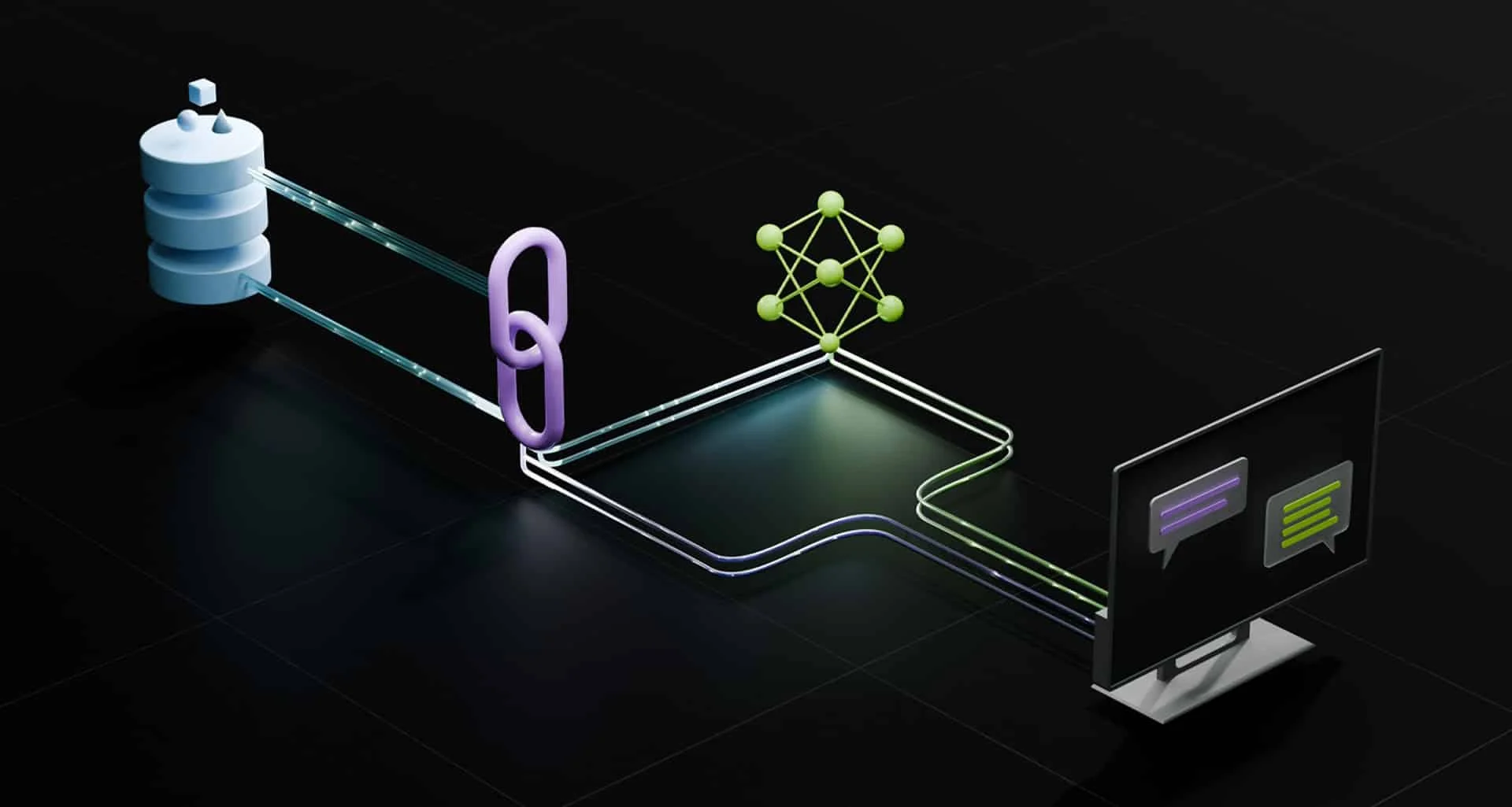
A functioning RAG system relies on three distinct parts that work together to process user queries effectively. These components handle the retrieval of data and the generation of the final human-like text response.
- The retrieval unit searches the external database to find documents that match the user query relevance.
- The augmentation process combines the retrieved information with the original user prompt to create context.
- The generation model produces the final response using the enhanced context provided by the retrieval step.
- The vector database stores the embeddings of the knowledge base to allow for fast semantic searching.
- The orchestrator manages the data flow between the user, the database, and the large language model.
How Does Retrieval-Augmented Generation Process Work?
The process begins when a user submits a specific question or prompt to the AI system interface. The system converts this text into a numerical vector and searches the external knowledge base for matching information.
Once the system identifies the most relevant documents or data chunks, it appends them to the original prompt. This combined input provides the large language model with the necessary context to accurately answer the specific query.
The generative model then processes the enriched prompt to produce a coherent, factually supported natural-language response. This final output seamlessly integrates external facts to provide the user with a comprehensive and reliable answer.
What Are the Primary Benefits and Challenges of RAG?
Implementing this technology offers substantial advantages for accuracy but also introduces specific technical hurdles for development teams. Organizations must weigh these factors carefully when designing their AI infrastructure to ensure optimal performance and user satisfaction.
- Benefit of Freshness The system provides up-to-date answers without requiring a full model update or expensive retraining cycles. This capability is crucial for industries like finance or news where information changes rapidly throughout the day.
- Benefit of Transparency Users can verify the information because the model can provide citations or links to the source material. This feature mitigates the "black box" problem, where users cannot understand how an AI reached a conclusion.
- Challenge of Latency The retrieval step adds extra processing time which can delay the final response to the user. Developers must optimize the vector search efficiency to ensure the chat experience remains smooth and responsive.
- Challenge of Complexity Building a RAG pipeline requires managing multiple components like vector databases and embedding models simultaneously. This architecture demands more engineering resources than simply deploying a pre-trained model out of the box.
How Does RAG Differ from Semantic Search?
While both technologies aim to retrieve relevant information, their end goals and outputs differ significantly for users. Understanding this distinction helps businesses choose the right tool for their specific content and information retrieval needs.
- Semantic search retrieves a list of documents that match the meaning of the query rather than keywords.
- RAG generates a new text answer based on the documents found during the initial retrieval phase.
- Semantic search requires the user to read through the results to find the specific answer needed.
- RAG synthesizes the information for users to provide a direct answer without needing further reading.
- Semantic search stops at finding the data, whereas RAG takes the extra step of creating content.
What Are the Most Common RAG Use Cases?
This technology transforms various industries by enabling more intelligent and context-aware automated systems for diverse applications. Companies deploy these solutions to improve customer support efficiency and enhance internal knowledge management capabilities across the organization.
- Customer Support Chatbots Automated agents use RAG to access company manuals and support documentation to answer client queries accurately. This reduces the workload on human agents while ensuring customers receive instant and correct assistance at any time.
- Legal Document Analysis Law firms use these systems to search through vast repositories of case law and legal precedents quickly. The AI summarizes relevant findings to help lawyers build stronger arguments based on historical data.
- Medical Information Retrieval Healthcare providers utilize RAG to access the latest medical research and clinical guidelines during patient consultations. This assists doctors in making informed decisions by providing the most current treatment options available.
- Corporate Knowledge Management Employees use internal RAG tools to find answers hidden within scattered company emails, wikis, and reports. This centralized access point improves productivity by reducing the time spent searching for internal information.
Scribblers India helps forward-thinking brands implement content strategies that align with modern AI and RAG technologies. Our team creates structured and authoritative content that ensures your business remains the trusted source for answer engines. Contact us for AI-ready content.
FAQs
What Are the Best Vector Databases for RAG Implementation?
Does RAG Completely Eliminate All AI Hallucinations in Responses?
How Often Should the External Knowledge Base Be Updated?
Can RAG Work Securely With Private and Sensitive Data?
Is Fine-Tuning a Better Option Than Using a RAG Approach?
Ready to Elevate Your Digital Presence?
Partner with Scribblers India to craft compelling stories and data-driven strategies that drive real growth for your brand.
Start Your Project